Resources
-
-
MyScope, microscopy tutorial (pre-requisite for one on one teaching at IHIC)
Leica Science-Lab, tutorials, article about microscopy and applications
EM University, large repository of knowledge on EM and cryoEM
CryoEM101, videos and animation about the cryoEM workflow
-
-
Tolls you will need:
Minimum kit:
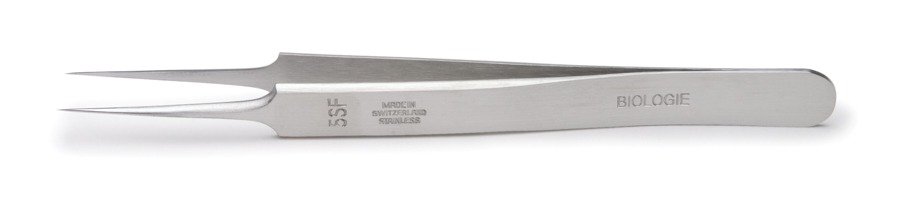
- 2 sets of Dumont tweezers style #5, non-magnetic
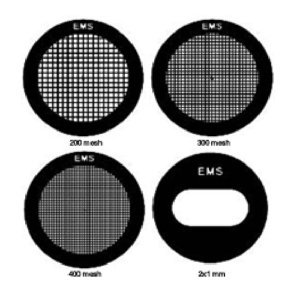
- appropriate grids (see below)
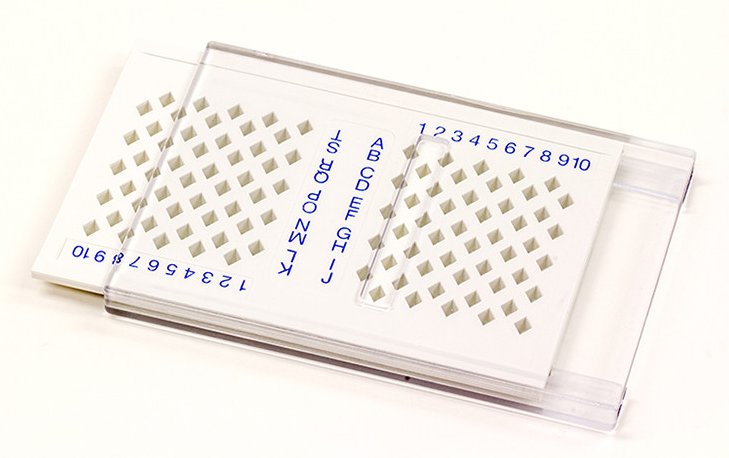
- grid storage
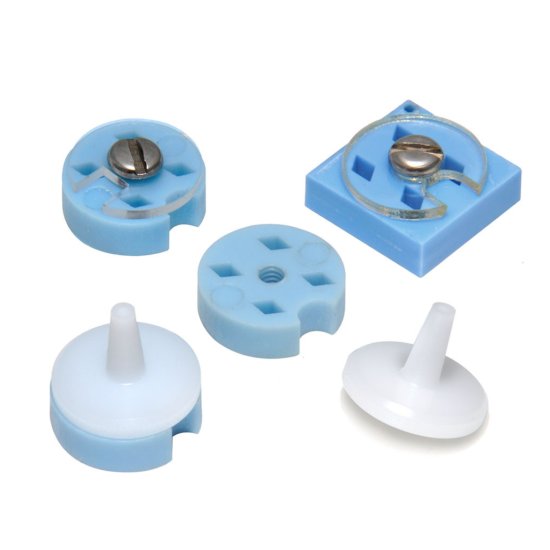
Optional tools:
- ThermoFisher Vitrobot or Leica EMGP tweezers

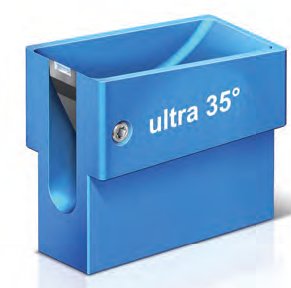
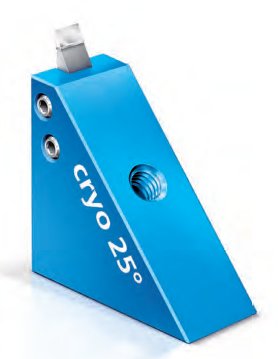
- Diamond knife for ultrathing sections (35 degres for standard sections, 45 degres for hard materials) and cryo ultrathin sections (IHIC will provide glass knives only)
Recommanded grid types by application:
- negative staining and small nanoparticles: 400 mesh carbon coated grids (copper)
- plastic sections; 50-100 mesh formvar carbon coated grids (copper)
- plastic section tomography: 200 mesh formavar carbon coated grids (copper)
- immunolabelling: 100-200 mesh formvar carbon coated grids (gold, nickel or copper)
- routine cryoEM (liposome/exosome/cubosomes/phages/bacteria ...): 300 mesh lacey carbon (copper)
- single particle analysis: 1.2/1.3 (or smaller holes) UltraFoil (or equivalent).
-
If a map resolution is given the pixel size has been calibrated using ApoF or orientated gold , otherwise it is the standard TFS/Gatan calibration
Krios Gatan K3 (likely to change slighty)
Magnification (EFTEM mode) Pixel size (Å) Resolution of map used (Å) 53,000 1.63 gold 64,000 1.32 gold 81,000 1.069 3.12 105,000 0.833 2.33 130,000 0.658 1.74 165,000 0.511 1.40 Krios Falcon 4i
Magnification Pixel size (Å) Resolution of map used (Å) 75,000 1.036 gold 96,000 0.808 gold 120,000 0.639 gold 155,000 0.507 1.49 Arctica Falcon 4
Magnification (EFTEM mode) Pixel size (Å) Resolution of map used (Å) 92,000 1.52 3.2 120,000 1.19 2.4 150,000 0.94 2.1 190,000 0.73 1.8 Arctica Gatan K2 (legacy)
Magnification (EFTEM mode) Pixel size (Å) Resolution of map used (Å) 79,000 1.71 3.5 100,000 1.33 2.7 130,000 1.03 2.3 165,000 0.788 2.5 Tecnai F30 CETA
Magnification Pixel size (Å) 4,700 23.6 9,400 12 12,000 9.4 15,500 7.14 20,000 5.56 23,000 4.71 31,000 3.51 39,000 2.79 59,000 1.82 78,000 1.4 93,000 1.17 115,000 0.94 200,000 0.47 230,000 0.39 Talos L120C
Magnification Pixel size (Å) 2,600 54.4 3,400 41.9 5,300 26.4 6,700 21.4 8,500 16.9 11,000 13.4 13,500 10.5 17,500 8.2 22,000 6.4 28,000 5 36,000 4 45,000 3.1 57,000 2.44 73,000 1.90 92,000 1.51 120,000 1.18 150,000 0.92 190,000 0.72 240,000 0.56 310,000 0.44 390,000 0.34 -
Publication list 2024
1. Abrahamsen, H.L., et al., Distant relatives of a eukaryotic cell-specific toxin family evolved a complement-like mechanism to kill bacteria. Nature Communications, 2024. 15(1): p. 5028.
2. Acharya, S., et al., Networks of Life: A Three-Dimensional Comparison of Cytotrophoblast and Syncytiotrophoblast Mitochondrial Architecture in the Placenta. Placenta, 2024. 154: p. e3.
3. Antreich, S.J., et al., Zygospore development of Spirogyra (Charophyta) investigated by serial block-face scanning electron microscopy and 3D reconstructions. Frontiers in Plant Science, 2024. 15: p. 1358974.
4. Ashokan, A., J.A. Hutchison, and P. Mulvaney, Spectroelectrochemistry of CdSe/CdS Core–Shell Quantum Dots. Chemistry of Materials, 2024. 36(4): p. 1810-1817.
5. Aslambakhsh, A., S.E. Kentish, and C.A. Scholes, Efficient N2 Electrofixation to NH3 Through Optimizing Binder-Catalyst Configuration. ChemElectroChem, 2024. 11(9): p. e202400033.
6. Aslambakhsh, A.H., et al., Enhanced Electrochemical Nitrogen Reduction via the Transport of Superacidic Microdroplets. ACS Applied Energy Materials, 2024. 7(18): p. 7956-7963.
7. Bauer, A., et al., Spatiotemporally distinct responses to mechanical forces shape the developing seed of Arabidopsis. The EMBO Journal, 2024: p. 1-26.
8. Beach, M.A., et al., A self-healing waterborne acrylic latex coating based on intrinsic hydrogen bonding. Progress in Organic Coatings, 2024. 188: p. 108189.
9. Bendon, C.L., et al., The Arteria Lymphatica and Lymphatic Microperforators: A Dedicated Blood Supply to Collecting Lymphatics and Their Potential Implications in Lymphedema: Anatomical Description. Plastic and Reconstructive Surgery–Global Open, 2024. 12(1): p. e5547.
10. Bhangu, S.K., et al., Tracking the Endosomal Escape of Nanoparticles in Live Cells Using a Triplex‐Forming Oligonucleotide. Advanced Functional Materials, 2024. 34(17): p. 2311240.
11. Bose, M., et al., In-situ Investigation of the Phase Formation and Superconductivity in V $ _3 $ Si Thin Films at High Temperatures. arXiv preprint arXiv:2412.04159, 2024.
12. Bravo, M., et al., Biocompatible Neodymium-Doped Nanocrystals as Probes for Diffraction-limited, in vitro Temperature Sensing. bioRxiv, 2024: p. 2024.02. 08.579538.
13. Brown, H.G., et al., Square condenser apertures for square cameras in low-dose transmission electron microscopy. Nature Methods, 2024. 21(4): p. 566-568.
14. Cao, J., et al., Cryo-EM Structure of the Human Amylin 1 Receptor in Complex with CGRP and Gs Protein. Biochemistry, 2024. 63(9): p. 1089-1096.
15. Cao, J., et al., Structural insight into selectivity of amylin and calcitonin receptor agonists. Nature Chemical Biology, 2024. 20(2): p. 162-169.
16. Cary, B.P., et al., Prolonged signaling of backbone-modified glucagon-like peptide-1 analogues with diverse receptor trafficking. bioRxiv, 2024: p. 2024.04. 17.589632.
17. Chen, J., et al., Metal–Phenolic‐Mediated Assembly of Functional Small Molecules into Nanoparticles: Assembly and Bioapplications. Angewandte Chemie, 2024. 136(12): p. e202319583.
18. Chen, Z., S.P. Russo, and P. Mulvaney, A General Nucleation Model for Semiconductor Nanocrystals. Journal of the American Chemical Society, 2024. 146(31): p. 21600-21611.
19. Chesta, C., et al., Unravelling the performance of lead-free perovskite cathodes for rechargeable aqueous zinc-ion batteries. Journal of Power Sources, 2024. 624: p. 235591.
20. Chiou, S., et al., An immunohistochemical atlas of necroptotic pathway expression. EMBO Molecular Medicine, 2024: p. 1-33.
21. Deimetry, M., et al., Differential phase contrast from electrons that cause inner shell ionization. arXiv preprint arXiv:2405.09043, 2024.
22. Deimetry, M., et al., Exploring Inelastic Differential Phase Contrast Imaging for Inner-shell Ionization. 2024, Oxford University Press US.
23. Deore, P., et al., Cutting through host autofluorescence: fluorescence lifetime imaging microscopy for visualising intracellular bacteria in Symbiodiniaceae. bioRxiv, 2024: p. 2024.01. 16.575970.
24. Di Cesare, M., et al., The transport activity of the multidrug ABC transporter BmrA does not require a wide separation of the nucleotide-binding domains. Journal of Biological Chemistry, 2024. 300(1).
25. Ercius, P., et al., The 4D Camera: an 87 kHz direct electron detector for scanning/transmission electron microscopy. Microscopy and Microanalysis, 2024. 30(5): p. 903-912.
26. Fox, D.R., et al., Inhibiting heme-piracy by pathogenic Escherichia coli using de novo-designed proteins. bioRxiv, 2024: p. 2024.12. 05.626953.
27. Fulford, T.S., et al., Vγ9Vδ2 T cells recognize butyrophilin 2A1 and 3A1 heteromers. Nature Immunology, 2024. 25(8): p. 1355-1366.
28. Gan, Z.Y., et al., Interaction of PINK1 with nucleotides and kinetin. Science Advances, 2024. 10(3): p. eadj7408.
29. Gotze, C.R., et al., Differential aggregation patterns of <em>Endozoicomonas</em> within tissues of the coral <em>Acropora loripes</em>. bioRxiv, 2024: p. 2024.12.17.629048.
30. Griffin, R., et al., Influence of recrystallization on stability of tungsten scanning tunneling microscope tips. Review of Scientific Instruments, 2024. 95(10).
31. Gu, Y., et al., mRNA delivery enabled by metal–organic nanoparticles. Nature Communications, 2024. 15(1): p. 9664.
32. Harikumar, K.G., et al., Cholesterol-dependent dynamic changes in the conformation of the type 1 cholecystokinin receptor affect ligand binding and G protein coupling. PLoS biology, 2024. 22(7): p. e3002673.
33. Hassan, M.M., et al., Minimizing IP issues associated with gene constructs encoding the Bt toxin - a case study. BMC Biotechnology, 2024. 24(1): p. 37.
34. Houston, B.J., et al., Genetic mutation of Cep76 results in male infertility due to abnormal sperm tail composition. Life Science Alliance, 2024. 7(6).
35. Houston, B.J., et al., AXDND1 is required to balance spermatogonial commitment and for sperm tail formation in mice and humans. Cell Death & Disease, 2024. 15(7): p. 499.
36. Huang, T., et al., One-Step Synthesis of Antimicrobial Polypeptide-Selenium Nanoparticles Exhibiting Broad-Spectrum Efficacy against Bacteria and Fungi with Superior Resistance Prevention. ACS Applied Materials & Interfaces, 2024.
37. Huang, T., et al., 3D printed and smart alginate wound dressings with pH-responsive drug and nanoparticle release. Chemical Engineering Journal, 2024. 492: p. 152117.
38. Ivanova, E.P., et al., Adaptations of Escherichia coli K 12 to Synchrotron Sourced THz Radiation. ACS omega, 2024.
39. Ji, Y., et al., An ITO‐Free Kesterite Solar Cell. Small, 2024. 20(6): p. 2307242.
40. Johnson, M.D., et al., A large attachment organelle mediates interaction between a novel Nanobdellota archaeon YN1 and its host. bioRxiv, 2024: p. 2024.05. 04.592509.
41. Johnson, M.D., et al., Large attachment organelle mediates interaction between Nanobdellota archaeon YN1 and its host. The ISME Journal, 2024. 18(1): p. wrae154.
42. Johnson, M.D., et al., Novel cell-to-cell interactions revealed by cryotomography of a DPANN coculture system. bioRxiv, 2024: p. 2024.05. 20.594898.
43. Johnson, M.D., et al., Cell-to-cell interactions revealed by cryo-tomography of a DPANN co-culture system. Nature Communications, 2024. 15(1): p. 7066.
44. Kanimozhi, S.N., et al., Zinc Tailored Cobalt Prussian Blue Analogue (PBA) as a Prospective Candidate for Supercapacitor Applications. ACS Applied Electronic Materials, 2024. 6(11): p. 7799-7808.
45. Karunarathne, S.I., et al., Trees need closure too: Wound-induced secondary vascular tissue regeneration. Plant Science, 2024. 339: p. 111950.
46. Khan, G.A., et al., Phosphate starvation regulates cellulose synthesis to modify root growth. Plant Physiology, 2024. 194(2): p. 1204-1217.
47. Kim, C.J., et al., Particle Engineering via Supramolecular Assembly of Macroscopic Hydrophobic Building Blocks. Angewandte Chemie, 2024. 136(4): p. e202315297.
48. Klose, S.M., et al., Unveiling genome plasticity and a novel phage in Mycoplasma felis: Genomic investigations of four feline isolates. Microbial Genomics, 2024. 10(3): p. 001227.
49. Lampugnani, E.R., et al., Glycosyl transferase GT2 genes mediate the biosynthesis of an unusual (1, 3; 1, 4)‐β‐glucan exopolysaccharide in the bacterium Sarcina ventriculi. Molecular Microbiology, 2024.
50. Lampugnani, E.R., S. Persson, and A.M. van de Meene, Colocalising proteins and polysaccharides in plants for cell wall and trafficking studies. Frontiers in Plant Science, 2024. 15: p. 1440885.
51. Liang, L.-Y., et al., Co-clustering of EphB6 and ephrinB1 in trans restrains cancer cell invasion. Communications Biology, 2024. 7(1): p. 461.
52. Manning, J., et al., Immunization with a whole cell vaccine reduces pneumococcal nasopharyngeal density and shedding, and middle ear infection in mice. Vaccine, 2024. 42(7): p. 1714-1722.
53. Mayer, K., et al., REDV-Functionalized Recombinant Spider Silk for Next-Generation Coronary Artery Stent Coatings: Hemocompatible, Drug-Eluting, and Endothelial Cell-Specific Materials. ACS Applied Materials & Interfaces, 2024. 16(12): p. 14474-14488.
54. Messina, Nicole L., et al., Neonatal BCG Vaccination for Prevention of Allergy in Infants: The MIS BAIR Randomised Controlled Trial. Clinical & Experimental Allergy, 2024. 54(9): p. 682-693.
55. Miotto, P.M., et al., Liver-derived extracellular vesicles improve whole-body glycaemic control via inter-organ communication. Nature Metabolism, 2024. 6(2): p. 254-272.
56. Murmu, P.P., et al., Defect and dopant complex mediated high power factor in transparent selenium-doped copper iodide thin films. Materials Today Energy, 2024. 44: p. 101639.
57. Nadiminti, P.P., et al., Spatiotemporal deposition of cell wall polysaccharides in oat endosperm during grain development. Plant Physiology, 2024. 194(1): p. 168-189.
58. Netea, S.A., et al., Inappropriate prescribing contributes to high antibiotic exposure in young children in Australia. Journal of Antimicrobial Chemotherapy, 2024. 79(6): p. 1289-1293.
59. O'Bryan, M.K., et al., A novel CCDC112-dependent process of sperm midpiece formation and epididymal maturation. bioRxiv, 2024: p. 2024.11. 05.622046.
60. Oberkircher, L.M., et al., Opposing roles of resident and infiltrating immune cells in the defence against Legionella longbeachae via IL-18R/IFN-γ/ROS axis in mice. Mucosal Immunology, 2024.
61. Pan, Y., et al. Ex-situ Doping of Polysilicon Hole Contacts via Electron-Beam Boron Evaporation. in 2024 IEEE 52nd Photovoltaic Specialist Conference (PVSC). 2024.
62. Perera, P.G.T., et al., Genetic Transformation of Plasmid DNA into Escherichia coli Using High Frequency Electromagnetic Energy. Nano Letters, 2024. 24(4): p. 1145-1152.
63. Pervin, R., et al., Fluorescent polymer nanoparticles containing perylene diimides for application in luminescent solar concentrators. Journal of Materials Chemistry C, 2024. 12(23): p. 8498-8507.
64. Phạm, H.T., K.B. McNamara, and M.A. Elgar, Diet‐dependent reproductive investment in gumleaf skeletonizer moths, Uraba lugens. Physiological Entomology, 2024. 49(3): p. 157-166.
65. Pham, Q.H., E. Goudeli, and C.A. Scholes, Carbon dioxide hydrogenation to methanol by flame-deposited CuO/ZrO2-polymer membrane reactors. Chemical Engineering Journal, 2024. 489: p. 151442.
66. Pitawala, S., et al., Time-Dependent Inhibition of Photosynthetic Activity in Filamentous Alga Oedogonium and Its Implications for Outdoor Cultures. ACS Sustainable Chemistry & Engineering, 2024. 12(40): p. 14902-14909.
67. Pitawala, S., et al., Biochemical changes due to photothermal acclimation of Oedogonium and associated implications for photosynthetic growth and biomass utilisation. Algal Research, 2024. 82: p. 103666.
68. Puls, J.-S., et al., Staphylococcus epidermidis bacteriocin A37 kills natural competitors with a unique mechanism of action. The ISME Journal, 2024. 18(1): p. wrae044.
69. Purnianto, A., et al., Small extracellular vesicles contain metals and transfer metal intercellularly. Journal of Extracellular Biology, 2024. 3(10): p. e70012.
70. Rai, A., et al., Multi-omics discovery of hallmark protein and lipid features of circulating small extracellular vesicles in humans. bioRxiv, 2024: p. 2024.03. 16.585131.
71. Reva, O.N., et al., Interplay of intracellular and trans‐cellular DNA methylation in natural archaeal consortia. Environmental Microbiology Reports, 2024. 16(2): p. e13258.
72. Romanov, A., et al., Multi-slice electron ptychographic tomography for three-dimensional phase-contrast microscopy beyond the depth of focus limits. Journal of Physics: Materials, 2024. 8(1): p. 015005.
73. Russell, I.C., et al., Lipid-Dependent Activation of the Orphan G Protein-Coupled Receptor, GPR3. Biochemistry, 2024. 63(5): p. 625-631.
74. Sarson-Lawrence, K.T., et al., Cryo-EM structure of the extracellular domain of murine Thrombopoietin Receptor in complex with Thrombopoietin. Nature Communications, 2024. 15(1): p. 1135.
75. Schloz, M., et al., Improved Three-Dimensional Reconstructions in Electron Ptychography through Defocus Series Measurements. Microscopy and Microanalysis, 2024: p. ozae110.
76. Shishir, M.S.R., et al., Potential of feeding microwave-treated forage hays to improve sheep intake, digestion, nitrogen partitioning, and metabolism. Animal Feed Science and Technology, 2024: p. 116008.
77. Stanfield, M.K., et al., Bioderived Thiol–Ene Emulsion Polymerization for Hybrid Latex Particles. Biomacromolecules, 2024. 25(10): p. 6580-6590.
78. Stathatos, G.G., et al., Epsilon tubulin is an essential determinant of microtubule-based structures in male germ cells. EMBO reports, 2024: p. 1-21.
79. Su, H., et al., Proteome of human glioblastoma and meningioma tissue small extracellular vesicles. bioRxiv, 2024: p. 2024.04. 15.589661.
80. Tan, W., et al., MORC2 phosphorylation fine tunes its DNA compaction activity. bioRxiv, 2024: p. 2024.06. 27.600912.
81. Tang, C., et al., Polyphenol rich sugarcane extract (PRSE) has potential antiviral activity against influenza A virus in vitro. Virology, 2024. 590: p. 109969.
82. Tanner, G., A. van de Meene, and A. Bacic, Immunolocalization of hordein synthesis and transport in developing barley endosperm. Plant Direct, 2024. 8(9): p. e591.
83. Tobias, L.M., et al., Cortical microtubule dynamics during reaction wood formation ensures context-appropriate cellulose microfibril angle in woody trees. Trees, 2024. 38(2): p. 507-522.
84. Valimehr, S., et al., Analysis of the Conformational Landscape of the N-Domains of the AAA ATPase p97: Disentangling the Continuous Conformational Variability in Partially Symmetrical Complexes. International Journal of Molecular Sciences, 2024. 25(6): p. 3371.
85. van de Meene, A.M. and E. Arcalis, Cutting edge microscopy and imaging techniques in plant and algal research. 2024, Frontiers Media SA. p. 1496941.
86. Vijayrajratnam, S., et al., Membrane association and polar localization of the Legionella pneumophila T4SS DotO ATPase mediated by two nonredundant receptors. Proceedings of the National Academy of Sciences, 2024. 121(41): p. e2401897121.
87. Wang, T., et al., Crystalline Metal–Organic Framework Coatings Engineered via Metal–Phenolic Network Interfaces. Angewandte Chemie International Edition, 2024. 63(39): p. e202410043.
88. Wang, Y., et al., Dual-responsive nanoparticles constructed using light- and redox-responsive linkages. Polymer Chemistry, 2024. 15(36): p. 3691-3700.
89. Wang, Z., et al., A Metal–Phenolic Network-Enabled Nanoadjuvant to Modulate Immune Responses. Small, 2024. 20(42): p. 2401776.
90. Waters, H., et al., Type-I interferons drive the gastrointestinal inflammatory response in a mouse model of Parkinsons disease. bioRxiv, 2024: p. 2024.05. 05.592614.
91. Wu, Q., et al., Modulation of cream cheese physicochemical and functional properties with ultrafiltration and calcium reduction. Food Chemistry, 2024. 457: p. 140010.
92. Xie, C., et al., Physiochemical changes, metabolite discrepancies of brown seaweed-derived sulphated polysaccharides in the upper gastrointestinal tract and their effects on bioactive expression. International Journal of Biological Macromolecules, 2024: p. 132845.
93. Xu, W., et al., Assembly and biological functions of metal-biomolecule network nanoparticles formed by metal-phosphonate coordination. Science Advances, 2024. 10(50): p. eads9542.
94. Yap, S.L., et al., Cell interactions with lipid nanoparticles possessing different internal nanostructures: Liposomes, bicontinuous cubosomes, hexosomes, and discontinuous micellar cubosomes. Journal of Colloid and Interface Science, 2024. 656: p. 409-423.
95. Ye, X., et al., Ultrastructural and glycoproteomic characterization of Prevotella intermedia: Insights into O-glycosylation and outer membrane vesicles. Microbiologyopen, 2024. 13(2): p. e1401.
96. Yu, H., et al., Ionizable Lipid Containing Nanocarriers for Antimicrobial Agent Delivery. Small Science, 2024. 4(10): p. 2400145.
97. Yu, J., et al., Surface Plasmon Modulation in Cu3–x P Nanocrystals. Nano Letters, 2024. 24(46): p. 14695-14701.
98. Zafari, A., et al., Framework for additive manufacturing of porous Inconel 718 for electrochemical applications. Materials & Design, 2024. 237: p. 112606.
99. Zeller, J., et al., Shear-Sensing by C-Reactive Protein: Linking Aortic Stenosis and Inflammation. Circulation Research, 2024. 135(11): p. 1033-1047.
100. Zhang, H., et al., Purely Optical, Reversible, Read-Write-Erase Cycling Using Photoswitchable Beads in Micropatterned Arrays. Advanced Optical Materials, 2024. 12(26): p. 2401029.
Publication list 2023
1. Andrikopoulos, N., et al., Zinc-epigallocatechin-3-gallate network-coated nanocomposites against the pathogenesis of amyloid-beta. ACS Appl Mater Interfaces, 2023. 15(6): p. 7777-7792.
2. Balendhran, S., et al., Flexible vanadium dioxide photodetectors for visible to longwave infrared detection at room temperature ((press release associated article should be online on 21.06.2023)). Advanced Functional Materials, 2023. 33(42).
3. Beach, M.A., et al., A self-healing waterborne acrylic latex coating based on intrinsic hydrogen bonding. Progress in Organic Coatings, 2024. 188.
4. Bendon, C.L., et al., The arteria lymphatica and lymphatic microperforators: A dedicated blood supply to collecting lymphatics and their potential implications in lymphedema: Anatomical description. Plast Reconstr Surg Glob Open, 2024. 12(1): p. e5547.
5. Brown, H.G., et al., 2023.
6. Burger, W.A.C., et al., Xanomeline displays concomitant orthosteric and allosteric binding modes at the m(4) machr. Nat Commun, 2023. 14(1): p. 5440.
7. Buriak, J.M., et al., Best practices for using ai when writing scientific manuscripts. ACS Nano, 2023. 17(5): p. 4091-4093.
8. Cao, J., et al., Structural insight into selectivity of amylin and calcitonin receptor agonists. Nat Chem Biol, 2024. 20(2): p. 162-169.
9. Carrera, J., et al., Adenovirus vector produced zika virus-like particles induce a long-lived neutralising antibody response in mice. Vaccine, 2023. 41(33): p. 4888-4898.
10. Cary, B.P., et al., Molecular insights into peptide agonist engagement with the pth receptor. Structure, 2023. 31(6): p. 668-676 e5.
11. Cary, B.P., et al., New insights into the structure and function of class b1 gpcrs. Endocr Rev, 2023. 44(3): p. 492-517.
12. Chen, T., W. Fei, and G.A. Narsilio, Backfill thermal properties improvement using granular phase change materials and graphite. Symposium on Energy Geotechnics 2023, 2023: p. 1-2.
13. Chen, Z., et al., Temperature dependence of the cds bandgap in the extreme confinement regime. Nano Lett, 2023. 23(20): p. 9287-9294.
14. Czuba-Wojnilowicz, E., et al., Layer-by-layer particles deliver epigenetic silencing sirna to hiv-1 latent reservoir cell types. Mol Pharm, 2023. 20(4): p. 2039-2052.
15. Davis, T.J., et al., Modelling structural colour from helicoidal multi-layer thin films with natural disorder. Opt Express, 2023. 31(22): p. 36531-36546.
16. Di Cesare, M., et al., The transport activity of the multidrug abc transporter bmra does not require a wide separation of the nucleotide-binding domains. J Biol Chem, 2024. 300(1): p. 105546.
17. Dunleavy, J.E.M., et al., The katanin a-subunits katna1 and katnal1 act co-operatively in mammalian meiosis and spermiogenesis to achieve male fertility. Development, 2023. 150(22).
18. Fu, J., et al., Polarity-tunable field effect phototransistors. Nano Lett, 2023. 23(11): p. 4923-4930.
19. Fulford, T.S., et al., 2023.
20. Gan, Z.Y., et al., Interaction of pink1 with nucleotides and kinetin. Sci Adv, 2024. 10(3): p. eadj7408.
21. Ji, Y., et al., An ito-free kesterite solar cell. Small, 2024. 20(6): p. e2307242.
22. Ji, Y.X., et al., Cuscn modified back contacts for high performance cztsse solar cells. Advanced Functional Materials, 2023. 33(11).
23. Khan, G.A., et al., Phosphate starvation regulates cellulose synthesis to modify root growth. Plant Physiol, 2024. 194(2): p. 1204-1217.
24. Klose, S.M., et al., Unveiling genome plasticity and a novel phage in mycoplasma felis: Genomic investigations of four feline isolates. 2024.
25. Lamande, S.R., et al., Modeling human skeletal development using human pluripotent stem cells. Proc Natl Acad Sci U S A, 2023. 120(19): p. e2211510120.
26. Li, F.Y., et al., One step antimicrobial coatings for medical device applications based on low fouling polymers containing selenium nanoparticles. Chemical Engineering Journal, 2023. 467.
27. Li, J., et al., Gold nanodrum resonators. ACS Nano, 2023. 17(20): p. 20551-20559.
28. Linklater, D.P., et al., Functionalized gold nanoclusters promote stress response in cos-7 cells. Advanced Nanobiomed Research, 2023. 3(4).
29. Lisi, F., et al., Re-examination of the polymer encapsulation of quantum dots for biological applications. Acs Applied Nano Materials, 2023. 6(5): p. 4046-4055.
30. Liz-Marzan, L.M., et al., Celebrating a nobel prize to the "discovery of quantum dots, an essential milestone in nanoscience". ACS Nano, 2023. 17(20): p. 19474-19475.
31. Masia, C., et al., Enhancing the textural and rheological properties of fermentation-induced pea protein emulsion gels with transglutaminase. Soft Matter, 2023. 20(1): p. 133-143.
32. Mazaheri, O., et al., Solid-state encapsulation of urea via mechanochemistry-driven engineering of metal-phenolic networks. Chemistry of Materials, 2023. 35(18): p. 7800-7813.
33. Meng, Y., et al., Phosphorylation-dependent pseudokinase domain dimerization drives full-length mlkl oligomerization. Nat Commun, 2023. 14(1): p. 6804.
34. Metcalfe, R.D., et al., Structures of the interleukin 11 signalling complex reveal gp130 dynamics and the inhibitory mechanism of a cytokine variant. Nat Commun, 2023. 14(1): p. 7543.
35. Miotto, P.M., et al., Liver-derived extracellular vesicles improve whole-body glycaemic control via inter-organ communication. Nat Metab, 2024.
36. Mobbs, J.I., et al., Cryo-em structures of human arachidonate 12s-lipoxygenase bound to endogenous and exogenous inhibitors. Blood, 2023. 142(14): p. 1233-1242.
37. Mousavi, S.H., et al., Nitrogen rejection in natural gas using nazsm-25 zeolite. Phys Chem Chem Phys, 2023. 25(27): p. 18259-18265.
38. Mubarak, S.S.M., et al., Biochemical characterization of caenorhabditis elegans ferritins. Biochemistry, 2023. 62(9): p. 1484-1496.
39. Mukherjee, S., et al., Quantitative proteomics of tau and abeta in detergent fractions from alzheimer's disease brains. J Neurochem, 2023. 164(4): p. 529-552.
40. Nayanathara, U., et al., Impact of the core architecture of dual ph-responsive polymer nanoparticles on intracellular delivery of doxorubicin. Acs Applied Nano Materials, 2023. 6(12): p. 10015-10022.
41. Oberkircher, L.M., et al., 2024.
42. Ospina-Rozo, L., et al., Deconstructed beetles: Bilayered composite materials produce green coloration with remarkably high near-infrared reflectance. Materials Today Advances, 2023. 18.
43. Ow, S.Y., et al., Hdx-ms study on garadacimab binding to activated fxii reveals potential binding interfaces through differential solvent exposure. MAbs, 2023. 15(1): p. 2163459.
44. Pannek, A., et al., The endosomal system of primary human vascular endothelial cells and albumin-fcrn trafficking. J Cell Sci, 2023. 136(15).
45. Perera, P.G.T., et al., Genetic transformation of plasmid DNA into escherichia coli using high frequency electromagnetic energy. Nano Lett, 2024. 24(4): p. 1145-1152.
46. Pham, Q.H., E. Goudeli, and C.A. Scholes, Selective separation of water and methanol from hydrogen and carbon dioxide at elevated temperature through polyimide and polyimidazole based membranes. Journal of Membrane Science, 2023. 686.
47. Pitawala, S., et al., Variation of the photosynthesis and respiration response of filamentous algae
acclimated to averaged seasonal temperatures and light exposure levels. Algal Research-Biomass Biofuels and Bioproducts, 2023. 74.
48. Poh, Q.H., et al., Rapid generation of functional nanovesicles from human trophectodermal cells for embryo attachment and outgrowth. Proteomics, 2023: p. e2300056.
49. Qu, Y., et al., Supramolecular polyphenol-DNA microparticles for in vivo adjuvant and antigen co-delivery and immune stimulation. Angew Chem Int Ed Engl, 2023. 62(12): p. e202214935.
50. Quah, P.S., et al., Development of matrix-embedded bovine tracheal organoids to study the innate immune response against bovine respiratory disease. Organoids, 2023. 2(2): p. 82-101.
51. Sanaei, R., et al., Reducing the prosthesis modulus by inclusion of an open space lattice improves osteogenic response in a sheep model of extraarticular defect. Front Bioeng Biotechnol, 2023. 11: p. 1301454.
52. Seibt, S., et al., Size, diffusion, and sedimentation of gold nanorods. Journal of Physical Chemistry C, 2023. 127(45): p. 22336-22346.
53. Silva, M.O., et al., Evaluation of a lanthanide nanoparticle-based contrast agent for microcomputed tomography of porous channels in subchondral bone. J Orthop Res, 2023. 41(2): p. 447-458.
54. Smith, S.A., et al., Self-immolative polymer nanoparticles with precise and controllable ph-dependent degradation. Biomacromolecules, 2023. 24(11): p. 4958-4969.
55. Subbiah, J. and D.J. Jones, A fluorine functionalised phosphine based solid additive for morphology control and achieving efficient organic solar cells. Materials Advances, 2023. 4(9): p. 2207-2213.
56. Tang, C., et al., Polyphenol rich sugarcane extract (prse) has potential antiviral activity against influenza a virus in vitro. Virology, 2024. 590: p. 109969.
57. Teixeira, A.F., et al., Simultaneously targeting extracellular vesicle trafficking and tgf-beta receptor kinase activity blocks signaling hyperactivation and metastasis. Signal Transduct Target Ther, 2023. 8(1): p. 456.
58. Ter Huurne, M., et al., Gla-modified rna treatment lowers gb3 levels in ipsc-derived cardiomyocytes from fabry-affected individuals. Am J Hum Genet, 2023. 110(9): p. 1600-1605.
59. Terzoudis-Lumsden, E.W.C., et al., Resolution of virtual depth sectioning from four-dimensional scanning transmission electron microscopy. Microsc Microanal, 2023. 29(4): p. 1409-1421.
60. Valimehr, S., et al., Molecular mechanisms driving and regulating the aaa+ atpase vcp/p97, an important therapeutic target for treating cancer, neurological and infectious diseases. Biomolecules, 2023. 13(5).
61. Van Winkle, M., et al., Interferometric 4d-stem imaging of rotational and dilational reconstruction in moire superlattices. Microsc Microanal, 2023. 29(Supplement_1): p. 268-269.
62. Vijaya, S., et al., Larp-assisted synthesis of csbi(3)i(10) perovskite for efficient lead-free solar cells. RSC Adv, 2023. 13(15): p. 9978-9982.
63. Vu, M.N., et al., Engineered ferritin nanoparticle vaccines enable rapid screening of antibody functionalization to boost immune responses. Adv Healthc Mater, 2023. 12(17): p. e2202595.
64. Vuillemot, R., et al., Mdspace: Extracting continuous conformational landscapes from cryo-em single particle datasets using 3d-to-2d flexible fitting based on molecular dynamics simulation. J Mol Biol, 2023. 435(9): p. 167951.
65. Walsh, M.A., et al., The next decade in structural biology. Structure, 2023. 31(11): p. 1284-1288.
66. Wang, T., et al., The proteome and lipidome of extracellular vesicles from haemonchus contortus to underpin explorations of host-parasite cross-talk. Int J Mol Sci, 2023. 24(13).
67. Wetherbee, R., et al., Structure and formation of the perforated theca defining the pelagophyceae (heterokonta), and three new genera that substantiate the diverse nature of the class. J Phycol, 2023. 59(1): p. 126-151.
68. Whitehead, C.A., et al., Small extracellular vesicles promote invadopodia activity in glioblastoma cells in a therapy-dependent manner. Cell Oncol (Dordr), 2023. 46(4): p. 909-931.
69. Wu, C., et al., Co2 hydrogenation using mofs encapsulated pdag nano-catalysts for formate production. Chemical Engineering Journal, 2023. 475.
70. Wu, Q., et al., The effect of calcium removal from skim milk by ion exchange on the properties of the ultrafiltration retentate. Food Res Int, 2023. 173(Pt 1): p. 113305.
71. Wu, Q.H., et al., Effect of ultrafiltered milk on the rheological and microstructure properties of cream cheese acid gels. Food and Bioprocess Technology, 2023. 16(8): p. 1728-1745.
72. Xu, R., et al., An engineered nanosugar enables rapid and sustained glucose-responsive insulin delivery in diabetic mice. Adv Mater, 2023. 35(21): p. e2210392.
73. Xu, W., et al., Direct assembly of metal-phenolic network nanoparticles for biomedical applications. Angew Chem Int Ed Engl, 2023. 62(45): p. e202312925.
74. Xu, W., et al., Engineering flexible metal-phenolic networks with guest responsiveness via intermolecular interactions. Angew Chem Int Ed Engl, 2023. 62(18): p. e202302448.
75. Xu, X., et al., Molecular identification of hymenopteran parasitoids and their endosymbionts from agromyzids. Bull Entomol Res, 2023. 113(4): p. 481-496.
76. Yang, J.N., et al., Hydrogen capture using zeolite 3a for pipeline gas deblending. Chemical Engineering Journal, 2023. 466.
77. Yap, S.L., et al., Cell interactions with lipid nanoparticles possessing different internal nanostructures: Liposomes, bicontinuous cubosomes, hexosomes, and discontinuous micellar cubosomes. J Colloid Interface Sci, 2024. 656: p. 409-423.
78. Ye, L.L., et al., Co reduction on the li-ga liquid metal surface. Journal of Materials Chemistry A, 2023. 11(16): p. 8809-8816.
79. Yu, H., et al., Real-time ph-dependent self-assembly of ionisable lipids from covid-19 vaccines and in situ nucleic acid complexation. Angew Chem Int Ed Engl, 2023. 62(35): p. e202304977.
80. Zeltmann, S.E., et al., Disentangling tilt and polarization measurements in 4d-stem measurements of a multilayer by inversion of a stacked bloch wave model. Microsc Microanal, 2023. 29(Supplement_1): p. 256-257.
81. Zeltmann, S.E., et al., Uncovering polar vortex structures by inversion of multiple scattering with a stacked bloch wave model. Ultramicroscopy, 2023. 250: p. 113732.
82. Zhang, Y.C., S. Kentish, and C.A. Scholes, Reducing ammonia permeance in poly(acrylonitrile-co-butadiene) (nbr)-based elastomers. Journal of Applied Polymer Science, 2023. 140(42).
83. Zhao, P.J., et al., Alkyl chain length-dependent amine-induced crystallization for efficient interface passivation of perovskite solar cells. Advanced Materials Interfaces, 2023. 10(19).
84. Zhu, H., et al., Ultrasonic transformation of antibiotic molecules into a selective chemotherapeutic nanodrug. Molecules, 2023. 28(13).
Publication list 2022
1. Alivand, M.S., et al., Engineered assembly of water-dispersible nanocatalysts enables low-cost and green CO2 capture. Nature Communications, 2022. 13(1): p. 1249.
2. Bhangu, S.K., et al., Origins of Structural Elasticity in Metal–Phenolic Networks Probed by Super-Resolution Microscopy and Multiscale Simulations. ACS Nano, 2022. 16(1): p. 98-110.
3. Bhangu, S.K., et al., Transforming the Chemical Structure and Bio-Nano Activity of Doxorubicin by Ultrasound for Selective Killing of Cancer Cells. Adv Mater, 2022. 34(13): p. e2107964.
4. Blanch, A.J., et al., Multimodal imaging reveals membrane skeleton reorganisation during reticulocyte maturation and differences in dimple and rim regions of mature erythrocytes. Journal of Structural Biology: X, 2022. 6: p. 100056.
5. Brown, H. and E. Hanssen, MeasureIce: Accessible Ice Thickness Measurement for Single Particle Cryogenic Transmission Electron Microscopy. Microscopy and Microanalysis, 2022. 28(S1): p. 1232-1234.
6. Brown, H.G. and E. Hanssen, MeasureIce: accessible on-the-fly measurement of ice thickness in cryo-electron microscopy. Commun Biol, 2022. 5(1): p. 817.
7. Brown, H.G., et al., A three-dimensional reconstruction algorithm for scanning transmission electron microscopy data from a single sample orientation. Microscopy and Microanalysis, 2022. 28(5): p. 1632-1640.
8. Cao, J., et al., Structure-based insight into development of selective and non-selective amylin and calcitonin receptor agonists. 2022.
9. Cao, J., et al., A structural basis for amylin receptor phenotype. Science, 2022. 375(6587): p. eabm9609.
10. Carmo, O.M.S., et al., Deletion of the Plasmodium falciparum exported protein PTP7 leads to Maurer's clefts vesiculation, host cell remodeling defects, and loss of surface presentation of EMP1. PLoS Pathog, 2022. 18(8): p. e1009882.
11. Chen, J., et al., Assembly of Bioactive Nanoparticles via Metal–Phenolic Complexation. Advanced Materials, 2022. 34(10): p. 2108624.
12. Devnani, B., et al., Physicochemical and rheological properties of commercial almond-based yoghurt alternatives to dairy and soy yoghurts. Future Foods, 2022. 6: p. 100185.
13. Du, Y., et al., Dimeric Artesunate Glycerophosphocholine Conjugate Nano-Assemblies as Slow-Release Antimalarials to Overcome Kelch 13 Mutant Artemisinin Resistance. Antimicrob Agents Chemother, 2022. 66(5): p. e0206521.
14. Dunleavy, J.E., et al., Male mammalian meiosis and spermiogenesis is critically dependent on the shared functions of the katanins KATNA1 and KATNAL1. bioRxiv, 2022.
15. El Mohamad, M., et al., Tailoring the self-assembly of lipid-based lyotropic liquid crystalline mesophases with biocompatible ionic liquid aqueous solutions. Materials Today Chemistry, 2022. 26: p. 101221.
16. Fernando, J.R., et al., Comparison of calcium-based technologies to remineralise enamel subsurface lesions using microradiography and microhardness. Scientific Reports, 2022. 12(1): p. 1-9.
17. Frisia, S., et al., Crystallization pathways, fabrics and the capture of climate proxies in speleothems: Examples from the tropics. Quaternary Science Reviews, 2022. 297: p. 107833.
18. Gan, Z.Y., et al., Activation mechanism of PINK1. Nature, 2022. 602(7896): p. 328-335.
19. Ghosh, S., et al., Effects of altered cellular ultrastructure on energy metabolism in diabetic cardiomyopathy: an in silico study. Philos Trans R Soc Lond B Biol Sci, 2022. 377(1864): p. 20210323.
20. Gureyev, T.E., et al., Unified fast reconstruction algorithm for conventional, phase-contrast, and diffraction tomography. JOSA A, 2022. 39(12): p. C143-C155.
21. Heydarchi, B., et al., Broad and ultra-potent cross-clade neutralization of HIV-1 by a vaccine-induced CD4 binding site bovine antibody. Cell Rep Med, 2022. 3(5): p. 100635.
22. Ibrahim, J.P., et al., Liposomes are Poorly Absorbed via Lung Lymph After Inhaled Administration in Sheep. Frontiers in Pharmacology, 2022. 13.
23. Johnson, B.C., et al., Silicon–Aluminum Phase-Transformation-Induced Superconducting Rings. Nano Letters, 2022.
24. Ju, Y., et al., Anti-PEG Antibodies Boosted in Humans by SARS-CoV-2 Lipid Nanoparticle mRNA Vaccine. ACS Nano, 2022. 16(8): p. 11769-11780.
25. Karannagoda, N., et al., Eucalyptus grandis AUX/INDOLE-3-ACETIC ACID 13 (EgrIAA13) is a novel transcriptional regulator of xylogenesis. Plant molecular biology, 2022. 109(1): p. 51-65.
26. Kaur, A., et al., Genome sequences of Arthrobacter spp. that use a modified sulfoglycolytic Embden-Meyerhof-Parnas pathway. Arch Microbiol, 2022. 204(3): p. 193.
27. Kermaniyan, S.S., et al., Understanding the Biological Interactions of pH‐Swellable Nanoparticles. Macromolecular Bioscience, 2022. 22(5): p. 2100445.
28. Khadangi, A., et al., CardioVinci: building blocks for virtual cardiac cells using deep learning. Philos Trans R Soc Lond B Biol Sci, 2022. 377(1864): p. 20210469.
29. Kim, C.J., et al., Macromolecular Engineering of Thermoresponsive Metal-Phenolic Networks. J Am Chem Soc, 2022. 144(1): p. 503-514.
30. Kim, C.J., et al., Engineering Programmable DNA Particles and Capsules Using Catechol-Functionalized DNA Block Copolymers. Chemistry of Materials, 2022. 34(16): p. 7468-7480.
31. Li, J., et al., Repurposing the mitotic machinery to drive cellular elongation and chromatin reorganisation in Plasmodium falciparum gametocytes. Nature Communications, 2022. 13(1): p. 1-15.
32. Li, S., et al., Protein precoating modulates biomolecular coronas and nanocapsule-immune cell interactions in human blood. J Mater Chem B, 2022. 10(37): p. 7607-7621.
33. Liang, L.-Y., et al., Co-clustering of EphB6 and ephrinB1 in trans suppresses cancer cell invasion. 2022.
34. Liffner, B., et al., Cell biological analysis reveals an essential role for Pfcerli2 in erythrocyte invasion by malaria parasites. Communications biology, 2022. 5(1): p. 1-17.
35. Lozano, J., et al., Scalable Generation of Nanovesicles from Human-Induced Pluripotent Stem Cells for Cardiac Repair. Int J Mol Sci, 2022. 23(22).
36. Ma, C., et al., Extracellular Vesicles Secreted by Glioma Stem Cells Are Involved in Radiation Resistance and Glioma Progression. Int J Mol Sci, 2022. 23(5).
37. Mazaheri, O., et al., Assembly of Metal–Phenolic Networks on Water-Soluble Substrates in Nonaqueous Media. Advanced Functional Materials, 2022. 32(24): p. 2111942.
38. Metcalfe, R.D., et al., Structures of the interleukin 11 signalling complex reveal dynamics of gp130 extracellular domains and the inhibitory mechanism of a cytokine variant. bioRxiv, 2022.
39. Mondal, A., et al., Comparative assessment of the characteristics and Cr(VI) removal activity of the bimetallic Fe/Cu nanoparticles pre- and post-coated with carboxymethyl cellulose. Chemical Engineering Journal, 2022. 444: p. 136343.
40. Mukherjee, S., et al., Quantitative proteomics of tau and Aβ in detergent fractions from Alzheimer's disease brains. Journal of Neurochemistry, 2022.
41. Ong, L., et al., New Insights into Cheese Microstructure. Annual Review of Food Science and Technology, 2022. 13(1): p. 89-115.
42. Pasternak, M., et al., RhopH2 and RhopH3 export enables assembly of the RhopH complex on P. falciparum-infected erythrocyte membranes. Communications Biology, 2022. 5(1): p. 1-12.
43. Perlaza-Jimenez, L., et al., A Structurally Characterized Staphylococcus aureus Evolutionary Escape Route from Treatment with the Antibiotic Linezolid. Microbiol Spectr, 2022. 10(4): p. e0058322.
44. Ponomareva, E., et al., The fuzzy sphere morphology is responsible for the increase in light scattering during the shrinkage of thermoresponsive microgels. Soft Matter, 2022. 18(4): p. 807-825.
45. Pymm, P., et al., Biparatopic nanobodies targeting the receptor binding domain efficiently neutralize SARS-CoV-2. Iscience, 2022. 25(11): p. 105259.
46. Rajesh, S., et al., Lipidic poly (2-oxazoline) s as PEG replacement steric stabilisers for cubosomes. Journal of Colloid and Interface Science, 2022. 623: p. 1142-1150.
47. Rajesh, S., et al., Novel pH-Responsive Cubosome and Hexosome Lipid Nanocarriers of SN-38 Are Prospective for Cancer Therapy. Pharmaceutics, 2022. 14(10): p. 2175.
48. Ren, J., et al., Degradation resistance of different cementitious materials to phosphoric acid attack at early stage. Cement and Concrete Research, 2022. 151: p. 106606.
49. Schloz, M., et al., High Resolution Three-Dimensional Reconstructions in Electron Microscopy Through Multifocus Ptychography. Microscopy and Microanalysis, 2022. 28(S1): p. 364-366.
50. Selig, E.E., et al., The Monomeric α-Crystallin Domain of the Small Heat-shock Proteins αB-crystallin and Hsp27 Binds Amyloid Fibril Ends. Journal of Molecular Biology, 2022. 434(16): p. 167711.
51. Silva, M.O., et al., Evaluation of a lanthanide nanoparticle-based contrast agent for microcomputed tomography of porous channels in subchondral bone. Journal of Orthopaedic Research, 2022. n/a(n/a).
52. Sun, S., et al., Human pluripotent stem cell-derived macrophages host Mycobacterium abscessus infection. Stem Cell Reports, 2022. 17(9): p. 2156-2166.
53. Tadgell, B., et al., Temperature-Jump Spectroscopy of Gold–Poly(N-isopropylacrylamide) Core–Shell Microgels. The Journal of Physical Chemistry C, 2022. 126(8): p. 4118-4131.
54. Terzoudis-Lumsden, E., et al., Exploring the 3D Resolution of Parallax Phase Reconstruction from 4D STEM: A Dopant Depth Case Study. Microscopy and Microanalysis, 2022. 28(S1): p. 404-405.
55. Van Winkle, M., et al., Direct Measurement of Atomic Reconstruction, Strain, and Disorder in Moiré Materials using 4D-STEM. Microscopy and Microanalysis, 2022. 28(S1): p. 1764-1766.
56. Xing, K.J., et al., Hydrogen-Terminated Diamond MOSFETs Using Ultrathin Glassy Ga2O3 Dielectric Formed by Low-Temperature Liquid Metal Printing Method. Acs Applied Electronic Materials, 2022. 4(5): p. 2272-2280.
57. Xu, W., et al., Site-Selective Coordination Assembly of Dynamic Metal-Phenolic Networks. Angew Chem Int Ed Engl, 2022. 61(34): p. e202208037.
58. Xu, X., et al., Identification of two leafminer parasitoids (Hymenoptera: Eulophidae), Neochrysocharis formosa and Proacrias sp. from Australia, with both showing thelytoky and infection by Rickettsia. Austral Entomology, 2022.
59. Ye, L., et al., Low-Temperature CO2 Reduction using Mg–Ga Liquid Metal Interface. Advanced Materials Interfaces, 2022. n/a(n/a): p. 2201625.
60. Yoh, H.Z., et al., Polymeric Nanoneedle Arrays Mediate Stiffness‐Independent Intracellular Delivery. Advanced Functional Materials, 2022. 32(3): p. 2104828.
61. Yu, H., et al., Polyphenol-Functionalized Cubosomes as Thrombolytic Drug Carriers. Adv Healthc Mater, 2022. 11(21): p. e2201151.
62. Yu, H., et al., Bioresponsive Polyphenol-Based Nanoparticles as Thrombolytic Drug Carriers. ACS Applied Materials & Interfaces, 2022. 14(3): p. 3740-3751.
63. Zafari, A., et al., Enhancing work hardening and ductility in additively manufactured β Ti: roles played by grain orientation, morphology and substructure. Journal of Materials Science & Technology, 2022. 105: p. 131-141.
64. Zhai, J., et al., Enhancing the photoluminescence and cellular uptake of fluorescent carbon nanodots via cubosome lipid nanocarriers. Nanoscale, 2022. 14(48): p. 17940-17954.
65. Zhai, J., et al., Controlling the pH dependent transition between monoolein Fd3m micellar cubosomes and hexosomes using fatty acetate and fatty acid additive mixtures. Journal of Colloid and Interface Science, 2022. 607: p. 848-856.
66. Zhang, H., et al., A General Method for Direct Assembly of Single Nanocrystals. Advanced Optical Materials, 2022. 10(14): p. 2200179.
67. Zheng, F., et al., Brownian Tree‐Shaped Dendrites in Quasi‐2D Perovskite Films and Their Impact on Photovoltaic Performance. Advanced Materials Interfaces, 2022. 9(13): p. 2102231.
68. Zheng, F., et al., Spontaneous Formation of a Ligand-Based 2D Capping Layer on the Surface of Quasi-2D Perovskite Films. ACS Applied Materials & Interfaces, 2022. 14(46): p. 51910-51920.
69. Zhu, H., et al., Sonosynthesis of nanobiotics with antimicrobial and antioxidant properties. Ultrasonics Sonochemistry, 2022. 86: p. 106029.
Publication network 2010-2019 Bio21 AMF
199 research groups
541 publications in peer reviewed journals
173 co-authorship by Bio21 AMF staff members
Thank you to Mr Roger Curtain and Mr Zlatan Trifunovic who combed through over 20,000 publications.
Please acknowledge us in your publications to make the next iteration easier.
Click on the map for more details (java needs to be installed)
